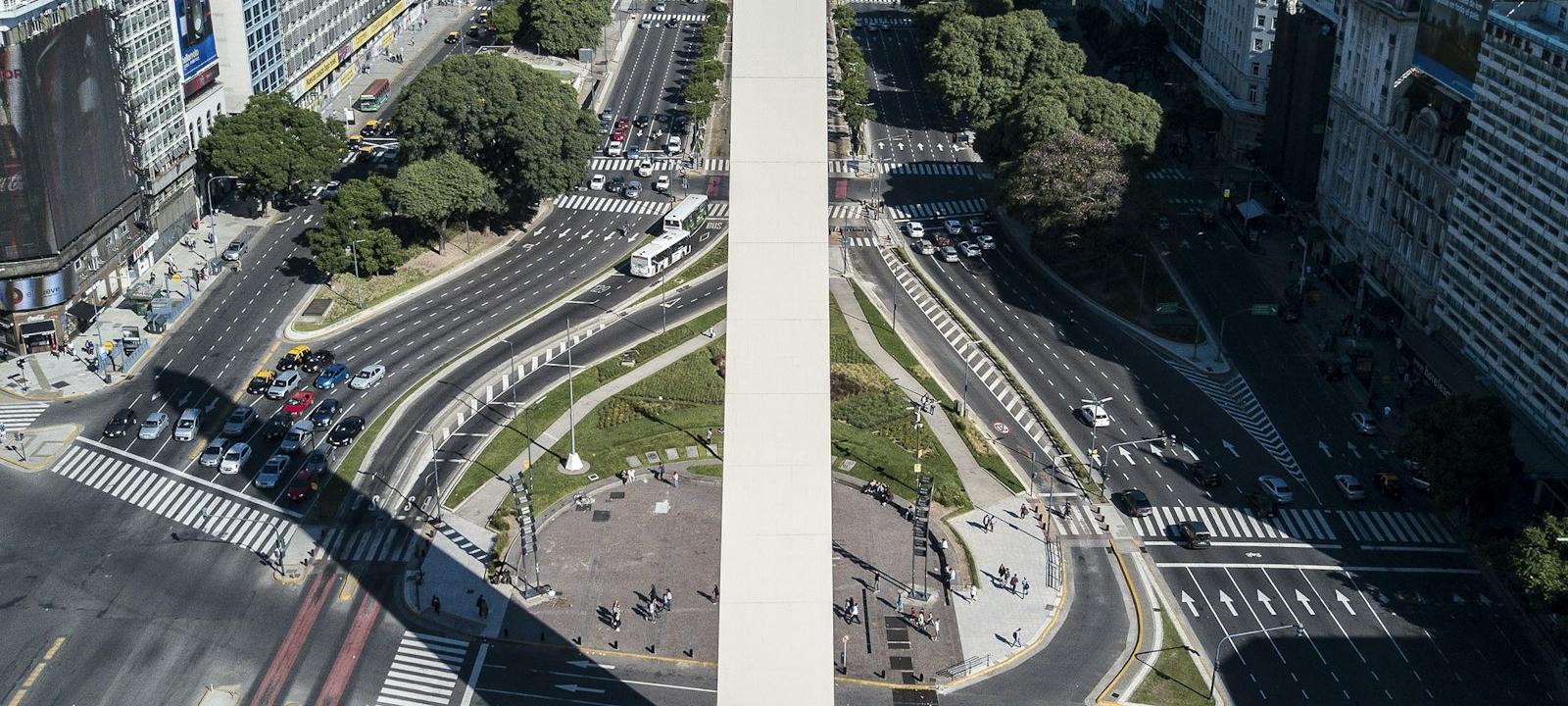
Buenos Aires is the most LGBTQ+ friendly capital in South America, and it has earned that status with a head start the rest of the continent is still catching up to. Argentina legalized same-sex marriage in 2010, the first country in Latin America to do so, and Buenos Aires has spent the years since building one of the most layered, confident queer cultures in the Spanish-speaking world. The city blends Old World architecture with Latin American intensity, French-style boulevards with milongas in basement halls, and a steakhouse-and-Malbec dinner culture that does not start until 10 p.m.
For LGBTQ+ travelers, the appeal here is texture. Buenos Aires does not concentrate gay life into a single strip the way Bangkok or Puerto Vallarta do. Instead, queer venues, bookstores, theaters, milongas, and bars are distributed across the hip neighborhoods of Palermo and the historic streets of San Telmo, Recoleta, and Almagro. You move through the city, not around it. The result is a trip that feels less like vacation and more like a long stay in a place that simply happens to be glamorous.
This guide will help you find your footing in a city of more than three million, choose the neighborhood that fits your trip, and tap into a queer scene that runs deep, late, and across many genres of nightlife (cabaret, milonga, dance club, queer cultural bar) that you will not find packaged together anywhere else.
At a Glance
Why LGBTQ+ Travelers Love Buenos Aires
Argentina was an early mover on equality, and the social texture in Buenos Aires reflects that. Queer life is woven into the fabric of the city, not contained in a single zone.
A 16-year head start on equality: Argentina legalized same-sex marriage in 2010, the first country in Latin America. Adoption rights, gender identity laws (2012), and trans labor quotas have followed, building one of the most progressive legal frameworks in the Americas.
A diffused, layered scene: Instead of one gay strip, Buenos Aires spreads queer life across Palermo, Recoleta, San Telmo, and Almagro, with cabarets, dance clubs, lesbian-leaning bars, and queer cultural spaces all in the mix.
A real cultural identity: Tango, theater, literature, milonga halls, and the world's largest opera house outside Europe (Teatro Colón) make this a city for travelers who want their nightlife paired with substance.
Famously good value: Argentina's exchange rate has made the city a strong-dollar destination for U.S. travelers in recent years, with steakhouse dinners, boutique hotels, and theater tickets at a fraction of comparable cities.
Steak, wine, and ice cream: A parrilla dinner with a bottle of Malbec is the local ritual, the wine country (Mendoza) is a domestic flight away, and the heladerías here rival Italy's.
Tango, queered: Buenos Aires has a thriving queer tango (tango queer) scene with same-sex milongas where lead and follow are not gendered. La Marshall is the most famous and a must for any traveler curious about the dance.
Neighborhoods That Shape the Trip
Buenos Aires is a city of barrios with strong personalities. Where you stay sets the temperature of your whole visit.
Palermo (Soho and Hollywood)
The hippest, leafiest, most international barrio. Palermo Soho is wall-to-wall design shops, brunch spots, cocktail bars, and tree-lined streets; Palermo Hollywood (north of the railroad tracks) is restaurant-dense and slightly more grown up. Most queer-friendly bars and the strongest concentration of boutique hotels are here. The default first-time choice.
Recoleta
The grand European face of Buenos Aires, with Haussmann-style avenues, the famous cemetery, antique shops, and a more polished, older energy. Walking distance to several queer-friendly cultural venues. A great fit for travelers who like a more refined, museum-and-cafe pace.
San Telmo
The historic heart of the city, with cobblestone streets, antique markets, milongas in old halls, and a moodier, more bohemian feel. The Sunday Feria de San Telmo is a city must. Genuine character if you want a trip with texture rather than gloss.
Almagro and Villa Crespo
Adjacent middle-class neighborhoods that have quietly become some of the city's most interesting for nightlife and dining, with several queer-leaning venues and a much lower tourist density. Worth considering for repeat visitors.
Where to Stay
Buenos Aires has a deep boutique hotel market, especially in Palermo, and a handful of luxury properties that anchor Recoleta and Puerto Madero. The picks below are a mix of explicitly LGBTQ+ properties and reliably gay-friendly favorites.
Axel Hotel Buenos Aires
The Buenos Aires outpost of the Spanish Axel chain, the world's most prominent hetero-friendly gay hotel brand. Located in San Telmo with a famous glass-bottomed rooftop pool, a buzzing bar scene, and a guest mix that is overwhelmingly LGBTQ+. Best for travelers who want the social density of a gay hotel as part of the trip.
Faena Hotel Buenos Aires
Philippe Starck-designed, Puerto Madero-set, and one of the most theatrical hotels in Latin America. Red velvet drapes, a renowned cabaret venue, and a clientele that draws international visitors and Argentine glamour in equal measure. A splurge that justifies itself for honeymoons and milestone trips.
Home Hotel Buenos Aires
A 14-room boutique in Palermo Hollywood, owned by a British music producer and his Argentine wife, with a garden, an honest small pool, and a creative crowd. Long-running gay-friendly reputation and a personal, low-key feel.
Palacio Duhau, Park Hyatt Buenos Aires
A converted Recoleta palace that retains its early-20th-century formality alongside a modern tower, with one of the city's best gardens, a strong spa, and an excellent breakfast. Predictable luxury for travelers who want polish and a quiet base.
Mio Buenos Aires
A Recoleta boutique with stone-clad architecture, a wine-country aesthetic, and consistent five-star reviews from queer travelers. A quieter alternative to Faena with strong service and walkable to Palermo.
Casa Lucía
A newer 2022 opening in a beautifully restored Belle Epoque building near Plaza San Martín, with a celebrated rooftop and one of the city's best new restaurants on the ground floor. Excellent fit for design-led travelers.
Queer Nightlife and Bars
Buenos Aires's queer nightlife is broader than just dance clubs. Plan a week and you can sample a cultural bar with a literary reading, a same-sex milonga, a lesbian-leaning cocktail bar, and a 5,000-person warehouse club, all without leaving the city.
Casa Brandon
Less a bar than a queer cultural institution, in Villa Crespo. Live music, queer film screenings, drag, lectures, art shows, and an inclusive, all-genders crowd. The single most representative venue for understanding what makes the BA queer scene different.
Amerika
The city's largest gay dance club, in Almagro, with three floors, a high-energy mixed crowd, and parties that run from 1 a.m. until well past sunrise. Friday and Saturday nights are the marquee, with go-go performers and theatrical productions on big-event weekends.
Sitges
A long-running lesbian-leaning bar in Palermo (named for the Spanish town, but its own institution), with a warm, conversational vibe, a steady mixed crowd, and a reputation as one of the friendliest queer bars in the city. A good early-evening anchor.
Bach Bar
Palermo's beloved lesbian-women bar, intimate, music-forward, and unpretentious. A favorite among locals and queer women travelers for its atmosphere and consistent crowds.
Peuteo
A gay-friendly cocktail bar in Palermo with a polished cocktail program, late-night DJs on weekends, and a stylish, young crowd. A solid pre-game stop before Amerika.
La Marshall
The flagship queer milonga, where same-sex couples lead and follow without the gender norms of traditional tango. Classes earlier in the evening, dancing later. Even non-dancers should go once.
Things to Do Beyond the Nightlife
Buenos Aires deserves daylight as much as it deserves the small hours. Plan deliberately around the city's standout cultural and culinary experiences.
Recoleta Cemetery
A city of marble mausoleums where Eva Perón, presidents, and generations of porteño elite are interred. Beautifully strange and a free, walkable stop that anchors a Recoleta morning.
Teatro Colón
One of the world's great opera houses, with acoustics that musicians rank among the best on Earth. Take the daytime guided tour even if you cannot catch a performance.
MALBA
The Museo de Arte Latinoamericano, with the strongest 20th-century Latin American collection in the country. Frida Kahlo, Diego Rivera, Antonio Berni. Compact enough for a half-day.
Feria de San Telmo
The Sunday market that takes over Defensa Street in San Telmo: antiques, leather, tango performers, and street food. A required Sunday afternoon if your trip includes one.
Steak and Wine
A parrilla dinner is non-negotiable. Don Julio in Palermo is the most famous and worth the wait; La Cabrera and Parrilla Peña are equally credible. Pair with Argentine Malbec or Cabernet Franc.
Tango, Live
Skip the tourist dinner-shows in favor of a local milonga (Salón Canning, La Catedral, La Marshall) for the real thing. Beginner classes are widely available and worth taking once.
Day Trip to Tigre
An hour north of the city, the Paraná Delta opens into a labyrinth of waterways and stilted houses. A boat ride and a riverside lunch are an easy way to break up a city week.
When to Visit
Buenos Aires is in the Southern Hemisphere, so the seasons mirror North America's. Plan around comfort, festivals, and prices.
Spring
October to December.
Mild, sunny, and culturally rich, with the jacarandas blooming purple along the avenues in November. Buenos Aires Pride lands in November and is one of the largest in Latin America. The best overall window.
Summer
December to February.
Hot, humid, and emptier as porteños decamp to the coast. Some restaurants close in January, but nightlife stays open and prices ease.
Fall
March to May.
Cooler temperatures, golden parks, and a city back in full operating rhythm. An excellent shoulder window for travelers who want the city at its working pace.
Key LGBTQ+ Events
Marcha del Orgullo (Buenos Aires Pride): Held annually in early November, ending at Plaza de Mayo. Among the largest Pride celebrations in Latin America, with a multi-day festival schedule and parties across the city.
Tango BA Festival: Two weeks in August. The world's largest tango festival, with free performances and classes city-wide. Queer milongas play an active role in the program.
Festival Asterisco: LGBTQ+ film festival held annually in spring, with screenings and panels at venues across the city.
Pre-trip Checklist
Passport valid 6+ months past return date
Travel insurance with medical coverage
Layered clothing (BA temperatures swing within a day)
A nicer outfit for dinner and milongas (porteños dress for dinner)
Comfortable walking shoes for cobblestones
Sunglasses and sunscreen for spring and summer
Type C and Type I plug adapter
A small Spanish phrasebook or translation app
A debit card with low foreign-transaction fees
Patience for the late-dining schedule
Sample 5-Day Itinerary
A balanced first-time itinerary built around the late-night porteño rhythm and based in Palermo.
- 1Arrive and Ease InSettle, walk, eat late
Land at Ezeiza, transfer to your Palermo hotel. Late breakfast or brunch, a walk through Palermo Soho's design shops, and a long siesta to reset for the local clock. Sunset cocktails at a Palermo rooftop, dinner at Don Julio or La Cabrera at 10 p.m., a nightcap at Sitges.
- 2Recoleta and the Cultural DayCemetery, MALBA, opera
Morning at Recoleta Cemetery and a stroll through the antique shops. MALBA for an early-afternoon art break. Coffee and medialunas at La Biela. Evening: a Teatro Colón guided tour or, ideally, an actual performance, then dinner in Recoleta and drinks at Casa Brandon.
- 3San Telmo and TangoHistory and the dance
Morning in San Telmo (especially if it's a Sunday for the feria) with antique browsing and an asado lunch at El Desnivel. Afternoon back at the hotel for a serious nap. Evening: a beginner tango class followed by a queer milonga at La Marshall.
- 4Big Night OutPace the day for a long evening
Lazy morning, brunch in Palermo, an afternoon at MALBA's lighter shows or a leisurely walk through the Bosques de Palermo. Pre-game cocktails at Peuteo, dinner at Tegui or Mishiguene at 10:30 p.m., and a serious night at Amerika that ends in the small hours. Plan to sleep in tomorrow.
- 5Slow Day, Maybe TigreOr a recovery day
If energy allows, take the train to Tigre for a half-day delta cruise and a riverside lunch. Otherwise, brunch, a heladería stop at Rapa Nui or Cadore, last-minute leather shopping in Palermo, and a final low-key dinner at Bar Pulpería or Las Pizarras.
Frequently Asked Questions
Is Buenos Aires safe for LGBTQ+ travelers?
Yes. Buenos Aires is consistently rated one of the most LGBTQ+ friendly cities in Latin America, and the legal framework (marriage since 2010, gender identity law since 2012, trans labor quotas) is one of the most progressive in the Americas. Standard urban precautions apply, especially against pickpocketing in crowded tourist spots.
Do I need Spanish?
Some Spanish helps a lot more in Buenos Aires than in Mexican beach destinations. Hotels and the highest-end restaurants will have English-speaking staff, but neighborhood bars, taxis, and many milongas will not. A translation app and a few key phrases go a long way.
How long should I stay?
Five to seven days is the right length for a first-time visit. The city rewards an unhurried pace, and the late-night culture means a three-day trip leaves you tired and skimming the surface.
What is the late-night culture really like?
Real. Restaurants peak around 10 p.m., bars warm up at midnight, and clubs do not fill until 2 a.m. Build a siesta into your day and adopt the rhythm; the city is a different place at 1 a.m. than it is at 9 p.m.
Is Buenos Aires expensive?
Argentina's exchange rate has fluctuated significantly in recent years, but for U.S. and European travelers the city has been a strong-value destination, particularly for steakhouse dinners, theater, and boutique hotels. Bring multiple payment methods (card, U.S. dollars cash) and we will advise on the current best practice for your trip dates.
Can same-sex couples get married there?
Yes. Argentina was the first country in Latin America to legalize same-sex marriage, in 2010, and Buenos Aires is a popular destination for LGBTQ+ ceremonies and elopements with experienced local planners.
Plan Your Trip with Pride Travelers
Buenos Aires is a city that rewards being met on its own terms: late dinners, longer nights, and a barrio-by-barrio approach that takes a couple of days to find its rhythm. The travelers who come back loving it are the ones who arrived with the right hotel, the right neighborhood, and a plan that left room for milongas, museums, and the kind of three-hour parrilla dinner you remember years later.
We can help you choose between Palermo and Recoleta, time your trip around Pride or the spring jacarandas, pair Buenos Aires with Mendoza wine country or Iguazu Falls, and connect you to LGBTQ+ wedding planners if a destination ceremony is in the picture.
Book Your Buenos Aires Trip